Robot Memory: Elevating Visual Identity with Techno-Various Sci-Fi Typography
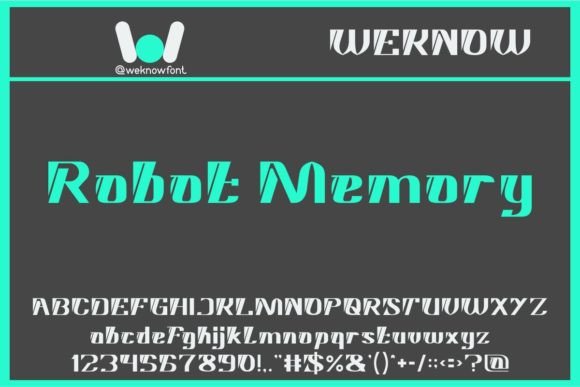
In the crowded landscape of digital design, typography often serves as the primary vehicle for storytelling. While body text demands neutrality and readability, display fonts carry the heavy lifting of emotional resonance and thematic establishment. Robot Memory has emerged as a definitive choice for designers seeking to bridge the gap between retro-futurism and modern technological aesthetics. This techno-various sci-fi display font is not merely a collection of glyphs; it is a comprehensive visual system suitable for logos, logotypes, headlines, corporate identity, brand identity, apparel, posters, music, movies, games, magazines, books, comics, cartoons, YouTube content, Instagram graphics, websites, and virtually any creative design project requiring a distinct mechanical voice.
The Anatomy of Techno-Various Design
What separates a generic pixel font from a sophisticated typeface like Robot Memory is the concept of "techno-various" styling. Standard sci-fi fonts often rely on a single gimmick, such as excessive glitching or uniform blockiness. Robot Memory, however, offers a nuanced approach to mechanical letterforms. The characters possess an internal logic that mimics circuitry, data streams, and industrial manufacturing without sacrificing legibility at larger sizes.
This balance is critical for professional application. When designing a logo or logotype, the font must remain recognizable even when scaled down for social media avatars or favicons. Robot Memory achieves this through strong silhouettes and consistent stroke weights. The geometric precision suggests advanced engineering, while subtle stylistic variations prevent the text from appearing sterile. For designers working on corporate identity within the tech sector, this font communicates innovation and reliability simultaneously. It avoids the dystopian undertones common in cyberpunk typography, leaning instead toward a cleaner, more optimistic vision of future technology.
Strategic Applications in Branding and Identity
Brand identity relies heavily on immediate recognition. When a company operates in robotics, AI development, gaming hardware, or futuristic consumer electronics, the typeface acts as a shorthand for their industry positioning. Robot Memory functions exceptionally well in these contexts because it feels native to the subject matter. Unlike novelty fonts that feel dated after a single campaign, this typeface possesses enough structural integrity to serve as a cornerstone for long-term brand identity.
- Logos and Wordmarks: The unique character shapes allow for custom ligatures and modifications without breaking the visual rhythm.
- Corporate Stationery: Works effectively as a header font on business cards and letterheads, pairing well with clean sans-serif body copy.
- Packaging Design: Provides shelf presence for tech products, distinguishing them from competitors using standard geometric sans-serifs.
- Environmental Graphics: Scales up beautifully for office signage, trade show booths, and exhibition displays.
Designers should consider Robot Memory when the goal is to signal "future-forward" without alienating a mainstream audience. It is authoritative yet accessible, making it ideal for startups looking to establish credibility alongside established tech giants.
Dominating Digital Content and Social Media
The attention economy demands visuals that stop the scroll. On platforms like YouTube and Instagram, thumbnail text and story overlays compete against millions of other images daily. Robot Memory’s high-contrast forms and distinctive sci-fi aesthetic create instant visual hooks. For content creators covering technology reviews, gaming walkthroughs, coding tutorials, or sci-fi lore, this font reinforces the niche authority of the channel.
When creating YouTube thumbnails, legibility at small sizes is paramount. The open counters and bold strokes of Robot Memory ensure that titles remain readable on mobile devices. Furthermore, the font’s inherent style reduces the need for excessive effects like drop shadows or outlines, resulting in cleaner, more professional-looking graphics. On Instagram, the typeface lends itself to carousel covers and reel titles, helping creators maintain a cohesive grid aesthetic that aligns with tech-centric branding.
Immersive Experiences in Entertainment and Publishing
Beyond commercial branding, Robot Memory excels in narrative-driven projects. In the realms of music, movies, and games, typography contributes to world-building. Album covers for synthwave, electronic, or industrial genres benefit from the font’s rhythmic, mechanical cadence. Movie posters for science fiction thrillers can utilize the typeface to set the tone before the viewer sees a single frame of footage.
For game developers, UI/UX design is a crucial component of player immersion. Using a system-default font can break the suspension of disbelief in a sci-fi setting. Robot Memory provides a bespoke interface solution that feels integrated into the game’s universe. Similarly, in publishing, magazines, books, comics, and cartoons focused on speculative fiction or technology can use this font for chapter titles, sound effects, HUD elements, and pull quotes. It transforms static pages into dynamic visual experiences, reinforcing the thematic content through typographic texture.
Practical Considerations for Modern Workflows
Selecting a display font involves more than aesthetic preference; it requires practical evaluation. Designers integrating Robot Memory into their workflow should consider several technical and creative factors to maximize its effectiveness.
- Pairing Strategy: As a high-personality display font, Robot Memory demands a supportive partner. Avoid pairing it with other decorative or condensed fonts. Instead, opt for neutral, humanist sans-serifs or monospaced typefaces for body text. This contrast highlights the display font’s features while maintaining overall readability.
- Hierarchy Management: Use Robot Memory sparingly. It is designed for impact, not endurance. Reserve it for H1 headers, logos, and key call-to-action buttons. Overuse can lead to visual fatigue and diminish the font’s special qualities.
- Color and Contrast: The intricate details of techno-various fonts shine best against dark backgrounds. Neon accents, metallic gradients, and deep space blacks enhance the sci-fi atmosphere. However, ensure sufficient contrast ratios for accessibility, especially when used in web headers or app interfaces.
- Licensing and Usage: Always verify licensing terms for specific applications. While versatile across apparel, print, and digital, commercial projects may require different license tiers compared to personal use.
Versatility Across Physical and Digital Mediums
One of the standout characteristics of Robot Memory is its adaptability across different production methods. In the apparel industry, the font translates well to screen printing, embroidery, and heat transfer vinyl. The solid fills and defined edges prevent ink bleed or thread breaks during manufacturing. T-shirts, hoodies, and caps featuring this typography appeal to tech enthusiasts, gamers, and streetwear aficionados who value niche aesthetic signaling.
Conversely, in web design, the font performs reliably across browsers when properly optimized. Web designers should utilize variable font technology if available, or subset the font files to improve load times. Because Robot Memory is primarily a display face, limiting the character set to only what is necessary for headlines can significantly boost site performance without compromising visual quality. This makes it a viable option for landing pages, portfolio sites, and e-commerce stores selling tech-related merchandise.
Why Specificity Matters in Font Selection
In an era of unlimited font access, specificity is a competitive advantage. Choosing Robot Memory signals a deliberate design decision rather than a default selection. It tells the audience that the creator understands the nuances of the sci-fi and technology genres. Whether applied to a poster for a film festival, a comic book cover, or a website header, the font carries connotations of precision, futurism, and digital culture.
Ultimately, the value of Robot Memory lies in its ability to solve specific communication challenges. It answers the question, "How do we look futuristic without looking cliché?" By providing a structured yet expressive typographic voice, it enables designers to craft identities that are both memorable and functional. For any creative project aiming to resonate with a tech-savvy or genre-loving audience, this techno-various display font offers a robust foundation for visual success. Its wide applicability—from corporate boardrooms to indie game studios—demonstrates that effective sci-fi typography is not just about decoration; it is about clear, impactful communication in a digital-first world.