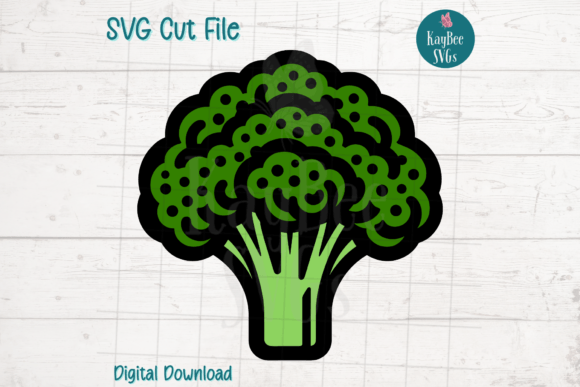
Broccoli SVG Cut File: Evaluation for Digital Crafting Projects
Selecting the right digital asset is a critical step in any crafting workflow, particularly when working with specific motifs like vegetables or botanical themes. The Broccoli SVG Cut File from KayBee SVGs represents a specialized digital resource designed for makers who require precision and versatility. For craft enthusiasts and DIY aficionados evaluating their options, understanding the technical specifications, application potential, and practical limitations of this file type is essential before making a purchase decision. This evaluation explores how this specific design integrates into various creative ecosystems, from vinyl cutting to sublimation printing, and helps determine if it aligns with current project requirements.
Defining the Broccoli SVG Cut File
At its core, the Broccoli SVG Cut File is a scalable vector graphic optimized for digital fabrication. Unlike raster images composed of pixels, this file format utilizes mathematical paths to define shapes. This distinction is vital for users of cutting machines like Cricut and Silhouette, as vectors allow for infinite resizing without loss of quality or jagged edges. The design is curated specifically for mechanical reproduction, meaning the lines are simplified and connected appropriately for blade traversal or laser engraving.
Beyond standard cutting applications, this file serves as a multi-format digital asset. It is engineered to support diverse output methods, including sublimation printing and digital art framing. When evaluating this product, it is important to recognize it not merely as an illustration of broccoli, but as a functional manufacturing template. The "cut file" designation implies that nodes have been optimized to reduce tearing during weeding and to ensure clean registration marks for print-then-cut projects.
Primary Use Cases and Application Fit
Determining whether this asset fits your needs requires matching its capabilities to your intended output. The Broccoli SVG Cut File demonstrates strong performance in several specific scenarios:
- Nutritional and Educational Content: This design is particularly well-suited for creators producing materials related to health, nutrition, gardening, or farm-to-table initiatives. The clear, recognizable silhouette works effectively on educational flashcards, meal prep containers, or kitchen organization labels.
- Personalized Drinkware and Apparel: For makers creating custom mugs, tumblers, or t-shirts, the vector nature of the file ensures crisp edges on curved surfaces. It is ideal for niche humor designs, vegetarian lifestyle branding, or seasonal harvest merchandise.
- Home Decor and Printable Art: As a printable art masterpiece, the file can be rendered at high resolutions for framing. This application shifts the focus from cutting to color fidelity, making it relevant for those decorating kitchens or pantries with botanical themes.
- Laser Engraving Projects: Users with engraving machines will find value in the line weight consistency. The design translates well to wood, leather, or acrylic etching, provided the user understands how to adjust power settings for vector scoring versus raster engraving.
Technical Compatibility and Workflow Integration
A primary consideration for any digital craft asset is seamless integration into existing workflows. KayBee SVGs structures these files to minimize friction across popular platforms. Compatibility extends beyond simple file opening; it encompasses how the software interprets the design layers.
For Cricut Design Space and Silhouette Studio users, the file should import with grouped layers intact, allowing for easy color separation and material assignment. This user-friendly formatting reduces the time spent ungrouping, re-welding, or fixing broken nodes. However, users must verify their specific machine’s firmware and software version. While SVG is a universal standard, older legacy software may occasionally struggle with complex bezier curves or specific metadata embedded in newer files. Testing a small portion of the design before committing to a full production run is always a recommended best practice.
Evaluating Benefits Against Tradeoffs
While the Broccoli SVG Cut File offers significant advantages, objective evaluation requires acknowledging potential tradeoffs. Understanding these factors helps manage expectations and prevents project delays.
Benefits
- Precision and Quality Assurance: Professionally curated files typically undergo testing to ensure cut lines are continuous. This reduces material waste caused by failed cuts or excessive weeding time compared to auto-traced free images found online.
- Instant Accessibility: The digital delivery model eliminates shipping wait times. For makers operating on tight deadlines for markets or gifts, immediate access after payment clearance allows for rapid prototyping and iteration.
- Scalability: Whether printing a 4-inch sticker or a 20-inch wall decal, the vector format maintains integrity. This flexibility maximizes the return on investment for a single digital purchase.
Considerations and Limitations
- Design Specificity: Botanical illustrations vary widely in style. If your project requires photorealism or a highly intricate, sketchy aesthetic, a clean vector cut file may appear too stylized or simplified. Evaluate the visual style against your brand identity before purchasing.
- Software Learning Curve: Beginners may assume an SVG is "plug-and-play." While user-friendly, achieving professional results still requires knowledge of material settings, blade depth, and heat press parameters. The file provides the design, not the operational expertise.
- Licensing Restrictions: Digital assets come with usage terms. Makers intending to sell physical products created with this file must verify commercial licensing allowances. Personal use licenses do not permit retail sales, and violating these terms carries legal and ethical risks.
When to Consider Alternatives
The Broccoli SVG Cut File is a strong contender for many projects, but it is not the universal solution for every vegetable-themed craft. Alternative formats or sources may be preferable in specific contexts:
- Photorealistic Sublimation: If the goal is a hyper-realistic image for sublimation rather than a graphic design, a high-resolution PNG or JPEG photograph may yield better results than a vector illustration. Vectors excel at graphics; rasters excel at photographic detail.
- Complex Multi-Color Layering: If your project requires dozens of color layers for a stained-glass effect, verify the layer count of this specific file first. Some cut files are designed for single-color vinyl, and attempting to force them into multi-layer roles can be labor-intensive.
- Bundled Collections: For makers planning a large series of garden-themed items, purchasing individual vegetable files may be less cost-effective than acquiring a comprehensive bundle. Evaluating long-term project scope can inform whether a single asset or a collection offers better value.
Making the Final Decision
Ultimately, the decision to acquire the Broccoli SVG Cut File from KayBee SVGs should be driven by project alignment rather than novelty. This asset is most valuable to makers who prioritize clean cut lines, require multi-platform compatibility, and appreciate instant digital access. It serves as a reliable foundation for wearables, drinkware, and printable decor within the botanical niche.
Before finalizing the selection, review the product preview images critically. Assess line weights for your specific cutting machine, confirm the style matches your aesthetic, and ensure the licensing covers your intended use. By approaching the purchase with these practical criteria in mind, crafters can confidently integrate this design into their repertoire, elevating their projects through informed resource selection rather than impulse acquisition. Successful crafting relies as much on choosing the right tools as it does on executing the technique, and this evaluation framework supports that foundational decision-making process.